
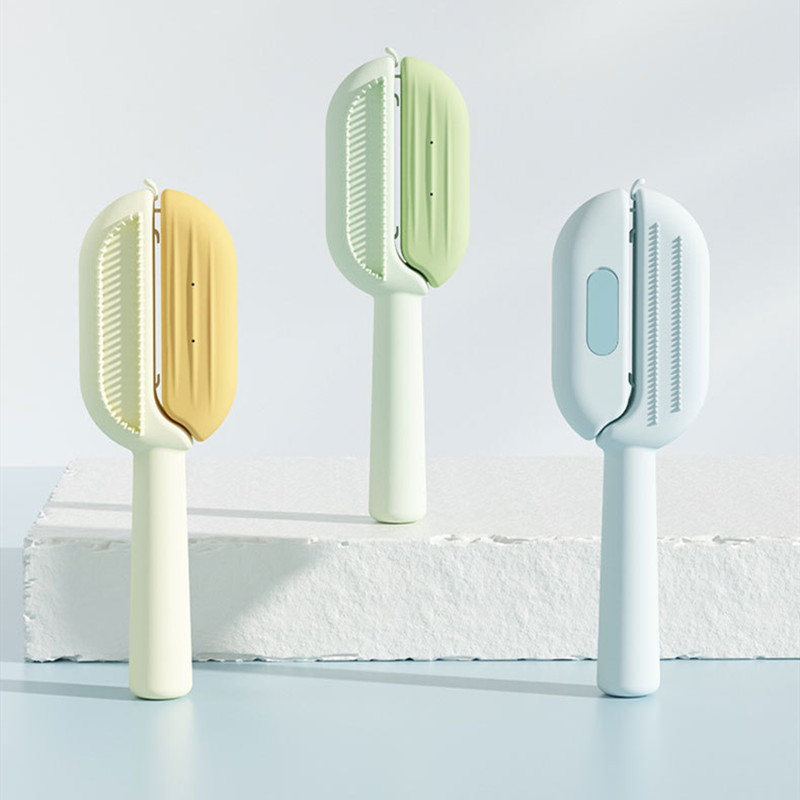
How to Choose the Best Pet Bath Brush: Guide for Dogs and Cats Grooming
Grooming your furry friends is more than just a chore—it’s an essential part of ensuring their health, happiness, and comfort. Whether you’re a proud dog parent or have a feline beauty gracing your home, the right grooming tool makes all the difference. One of the key tools for any pet owner is a bath brush, but with so many options on the market, how do you know which is the best for your pet? This helpful guide walks you through everything you need to know about choosing the perfect pet bath brush for dogs and cats, covering materials, wet/dry use, massage, fur removal, safety, and our top recommended pick.
Understanding Your Pet’s Grooming Needs
Every pet is unique, with specific grooming needs based on their breed, coat type, and personal preferences.
**For Dogs:**
Dogs vary greatly in their coat types—from sleek short hair to thick, double coats or curly fur. Breeds like Huskies or Golden Retrievers require heavy-duty brushes to manage shedding, while Chihuahuas and Bulldogs need gentler tools.
**For Cats:**
Cats generally boast softer, finer fur but can be equally prone to matting and shedding. Short-haired cats may need less frequent brushing, but long-haired breeds such as Maine Coons require daily attention.
**Grooming Frequency:**
Generally, dogs and cats benefit from weekly brushing, but long-haired or heavy-shedding breeds may require daily grooming. Proper brush selection ensures you’re not stressing their skin or causing discomfort.
Types of Pet Bath Brushes
The market is full of brush varieties. Understanding their differences helps you make an informed choice:
**Bristle Brushes:**
Ideal for short-haired pets. They distribute natural oils, smooth fur, and remove loose hair.
**Rubber Curry Brushes:**
Perfect for wet or dry use; rubber bristles gently massage the skin and are great for shedding.
**Pin Brushes:**
Suits long-haired breeds; pins detangle and remove mats with minimal pulling.
**Glove Brushes:**
Worn like gloves, these brushes offer hands-on grooming—great for pets who dislike traditional brushes.
**Dual-Action Brushes:**
Combine bristles and pins for versatile grooming, making them adaptable for multi-pet households.
Here’s a quick comparison:
| Brush Type | Best For | Features |
|---------------------|------------------------|---------------------|
| Bristle | Short-haired pets | Oil distribution |
| Rubber Curry | All coat types | Massage, fur removal|
| Pin | Long/hard-to-manage fur| Detangling |
| Glove | Sensitive pets | Gentle, versatile |
| Dual-Action | Multi-pets | Flexible use |
Key Features to Consider When Choosing a Pet Bath Brush
The right bath brush will make grooming enjoyable for both you and your pet. Here are some features to evaluate:
**Material Quality and Durability:**
High-quality materials ensure longevity and safety. Look for brushes made from BPA-free, non-toxic plastics or natural rubber.
**Bristle Softness and Flexibility:**
Soft, flexible bristles prevent irritation, making the brush suitable for sensitive skin. Harder bristles may be needed for thick coats.
**Handle Comfort and Grip:**
Ergonomic handles reduce fatigue during grooming. Anti-slip and easy-to-hold designs make bathtime easier.
**Size and Weight:**
Choose a brush sized for your pet and comfortable for your hand. Heavy brushes can tire out both you and your pet.
**Ease of Cleaning:**
Brushes that rinse clean quickly and don’t retain fur will save you time after grooming sessions.
**Water Resistance:**
If you plan to use the brush during baths, ensure it’s designed for wet conditions and doesn’t absorb water or degrade.
Matching the Brush to Your Pet’s Coat Type
Selecting a brush that matches your pet’s coat is crucial for effective grooming:
**Short-Haired Pets:**
Bristle brushes or rubber brushes are gentle, providing massage and cleaning without scratching.
**Long-Haired or Double-Coated Breeds:**
Pin brushes and dual-action brushes help manage tangles, mats, and heavy shedding.
**Curly or Wiry Hair:**
A combination of pin and bristle or rubber brushes works best to detangle and remove debris.
**Sensitive or Delicate Skin:**
Opt for soft, flexible bristles or glove brushes to avoid causing irritation.
Additional Considerations
**Temperament and Tolerance:**
Some pets dislike brushes, so starting with glove brushes or rubber curry brushes can help ease them into grooming.
**Allergies and Skin Sensitivities:**
Choose hypoallergenic materials if your pet has allergies. Always check for reactions after first use.
**Multi-Pet Households:**
Versatile brushes like dual-action or glove brushes can service more than one pet.
**Budget and Brand Reputation:**
While expensive isn’t always better, investing in a reputable brand with good reviews, like Happy PetShop, ensures safety and quality.
Tips for Successful Grooming with a Bath Brush
**Introducing the Brush:**
Let your pet sniff and investigate the brush before grooming starts. Pair brushing with treats and gentle praise.
**Grooming Practices:**
Work in sections, starting from the neck and moving downwards. Be gentle near sensitive areas like the belly and tail.
**Cleaning Your Brush:**
Rinse after every use; remove trapped fur and check for product build-up. Some brushes are dishwasher safe for deeper cleaning.
**When to Switch Brushes:**
If you notice your pet’s skin is irritated or the brush isn’t effective, try a different style or softness.
Top Recommended Pet Bath Brushes for Dogs and Cats
Choosing a trusted brand makes all the difference in home grooming. One standout is **Happy PetShop’s Multifunctional Pet Bath Brush**:
- **Material:** Premium, hypoallergenic silicone
- **Use:** Wet and dry; massages skin during baths or regular brushing
- **Fur Removal:** Efficiently removes loose hair, dirt, and dander
- **Safety:** Gentle bristles, soft-touch design, suitable for sensitive pets
- **Multi-Pet:** Works for both dogs and cats, regardless of fur type
- **Bonus:** Easy to grip and clean, making bath time enjoyable
**Other Leading Brands:**
Explore brushes from Hertzko, FURminator, and PetFusion for high-quality alternatives.
Frequently Asked Questions (FAQs)
**How often should I brush my dog or cat during baths?**
Long-haired and heavy shedding pets should be brushed every bath, while short-haired breeds may only need brushing once a week.
**Can I use the same brush for different pets?**
Yes, but ensure the brush is cleaned between uses and suited for each pet’s coat type.
**What should I do if my pet dislikes being brushed?**
Start slowly, use glove brushes, and reward your pet. Avoid forcing the brush, as negative experiences can lead to resistance.
Conclusion
Choosing the best pet bath brush is a key step in maintaining your pet’s health, comfort, and happiness. Consider your pet’s coat type, temperament, and any sensitivities when selecting a brush. Look for features like material quality, softness, ease of use, and water resistance. Trusted brands like Happy PetShop offer multifunctional brushes that make grooming a breeze for both dogs and cats. Regular grooming not only keeps your pet looking their best but also strengthens the bond between you and your furry companion.
Ready to transform your pet’s grooming routine? Invest in the right bath brush and share your experiences or questions in the comments below! Your pet will thank you for the extra love and care.